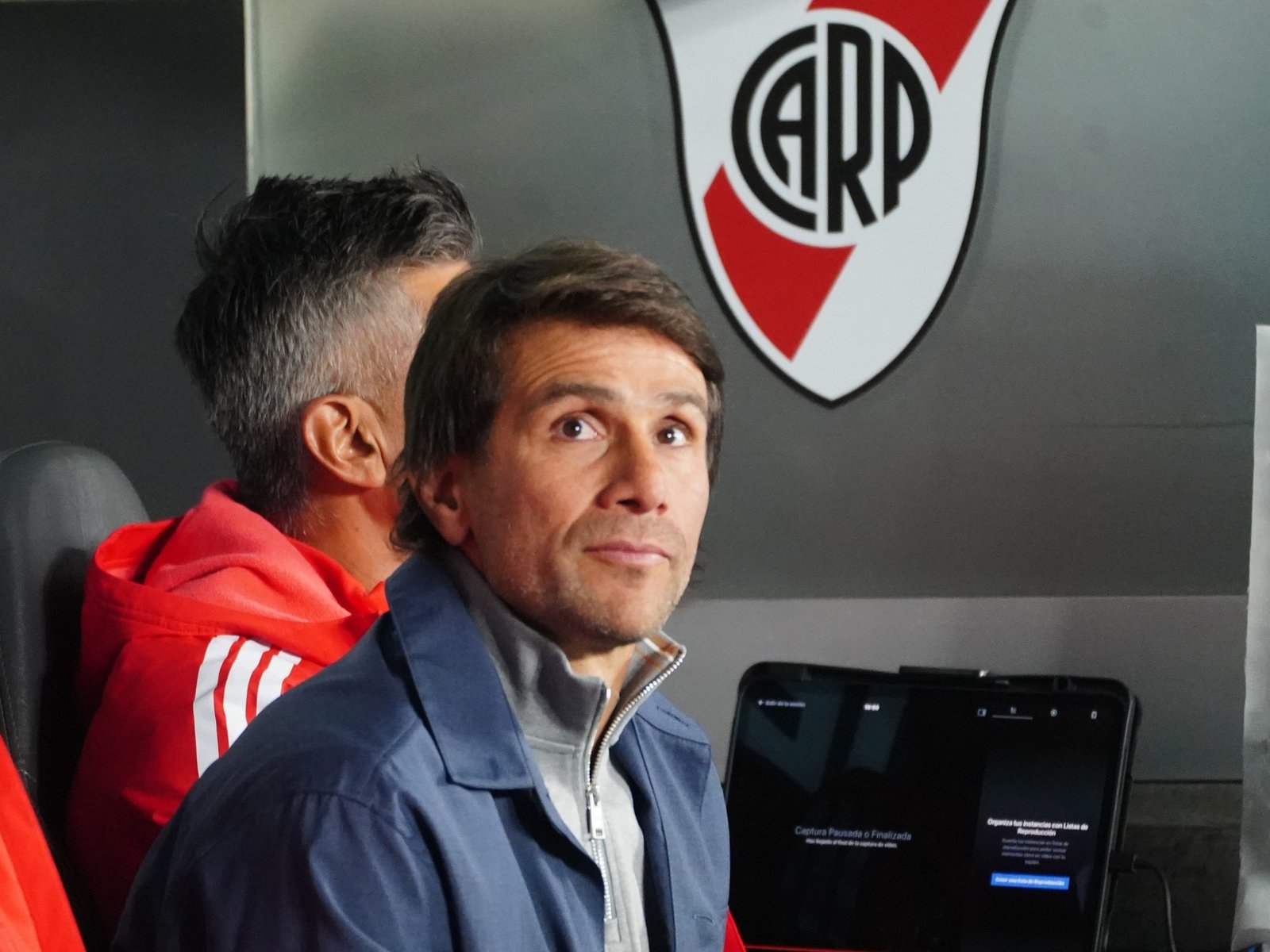




“Messi is like wine; time makes him better, incredible.” The viral phrase by Marcelo Gallardo, in Argentina’s World Cup debut, is highlighted more each day, each match. That feeling the ‘Muñeco’ had is the same expressed by other greats of the sport (Rivaldo, Ibrahimovic, Henry and many more) who don’t understand how at 39 he can play like he’s 20, but with more wisdom.
There are things Lionel Messi has that come from his mother Celia’s womb. They are in his genes. Because the dribbles he still does today are the same ones he performed in Grandoli at four years old: it’s just a matter of watching the videos. It’s in his nature and in his love of playing the ball that he continues to achieve everything he does.
Not even Leo himself imagined this. “But I’ll be 39 in the next World Cup… It’s difficult,” he told Olé in January 2023, sitting in the living room of his home in Paris, after winning the third star. He didn’t see himself in this World Cup; he believed the last moment was the victory lap in Qatar. “It unfolded and here we are,” he told this newspaper again after playing Honduras in the final friendly before the World Cup.
Messi lives everything with simplicity and naturalness. But to be in this condition at 39 and be the best in top-level competition is not magic. It’s work, dedication, surrounding yourself with good professionals and still having a hunger for glory (that you can’t buy in any supermarket). There lies the secret of the almost-40 kid.
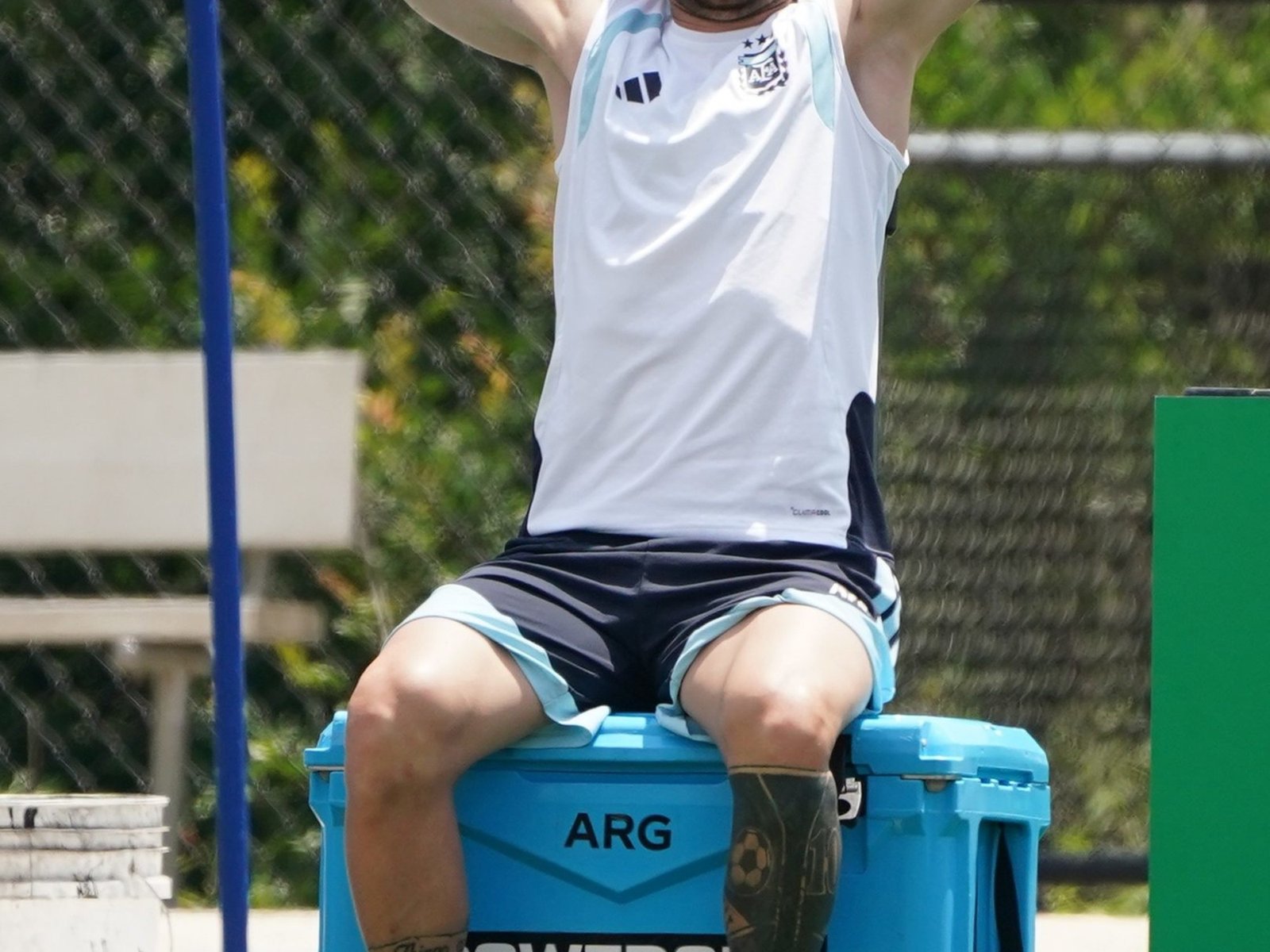
Because when Leo saw that the World Cup was around the corner and that he was going to end up playing it, he decided to reinforce his physique. He didn’t want to come to the camp in Kansas City and be a ceremonial captain; he wanted to keep fighting on the field. And so, at the start of 2026 he began a conscientious physical program together with his friend Rodrigo De Paul. Beyond training at Inter Miami, he reinforced it with individual work with fitness trainers and kinesiologists.
There is also a foundation related to diet, something Leo substantially changed after the 2014 World Cup, when he consulted Giuliano Poser, an Italian doctor specialized in sports nutrition. At that time his physique transformed: he lost a few kilos and gained muscle mass. That led to fewer muscle injuries, which were his main trauma when he started.
Ordered routines, healthy eating (of course, with permitted treats), conditioning of his body and family support (those who are always there) led Leo to physical parameters that are above any 39-year-old athlete and that are comparable with metrics from previous World Cups.
“Between 2009 and 2015, Leo had a peak speed of around 32.5–33.5 km/h and an isolated measurement reached 34 km/h,” commented Spaniard Ismael Galancho in a post and earned an applause-like response from Antonela. “ Speed is a basic physical quality that is naturally lost in a footballer as he ages. It is common to lose between 1% and 2% of speed per year between ages 30 and 35 and, from 35 on, between 1.5% and 3% annually. For this reason measuring it reflects a footballer’s physical condition,” Galancho described.
“At the Qatar World Cup, Leo was 35 and had a peak of 29.38 km/h. Therefore, the expected top speed in this World Cup, now at 39, would be between 28.3 and 29.09 km/h. However, it’s not that he hasn’t lost speed, but that he has gained. Up to what we’ve seen in this World Cup, Leo registered a top speed of 30.9 km/h, which represents an increase of 5% compared to 2022. This is what happens when physical preparation, nutrition, recovery, hydration and load management are worked on conscientiously. Beyond Leo’s natural and innate talent, his commitment, consistency and discipline have made it possible,” said the nutritionist, giving clear guidelines on how the number 10 got here.
His eight goals in this World Cup (it is the tournament he has scored most in in his career), having played 420 minutes (he was only not a starter against Jordan) and that his best version in the National Team has come as an older player ( his senior team titles came after turning 34) speak of a commitment that has nothing to do with talent.
Messi is here. He keeps dreaming. He no longer runs as much as before; he chooses when: different technical reports show that his dribbling speed has hardly changed over time, but the huge difference is that before he tried it 20 times and now he perhaps does it half as often. That is the wisdom of regulating efforts and, above all, stopping the game in his head. And what better example than what happened against Egypt, when he observed that the center was congested, he moved to the right: “It was difficult in the middle, they had amassed people, they had put in an extra midfielder and it was hard to find spaces between the lines. With two number nines there were already too many people through the middle and I tried to go look on the flank. That’s how Cuti’s consolation goal came,” he explained simply, a key tactical move for Argentina to be in the quarterfinals.
Leo is not satisfied. His teammates aren’t either. The hardest thing in football (and in life) is not reaching the top, but staying there. That’s how the National Team goes, showing resilience, leaving a clear example of overcoming and that you must never give up. And Messi is the flag from the game, from the emotional side, but also from the planning. If today he is sharp and with the intact dream of becoming two-time champion, it’s because he prepared so that his last image in a World Cup would be fitting for the greatest player in history.
El capitán de la Selección Argentina dialogó con @hernanclaus sobre lo que fue la agónica remontada ante Egipto para clasificar a los cuartos de final de la Copa del Mundo.
The captain of the Argentina National Team spoke with @hernanclaus about what the agonizing comeback against Egypt to qualify for the World Cup quarterfinals was like.